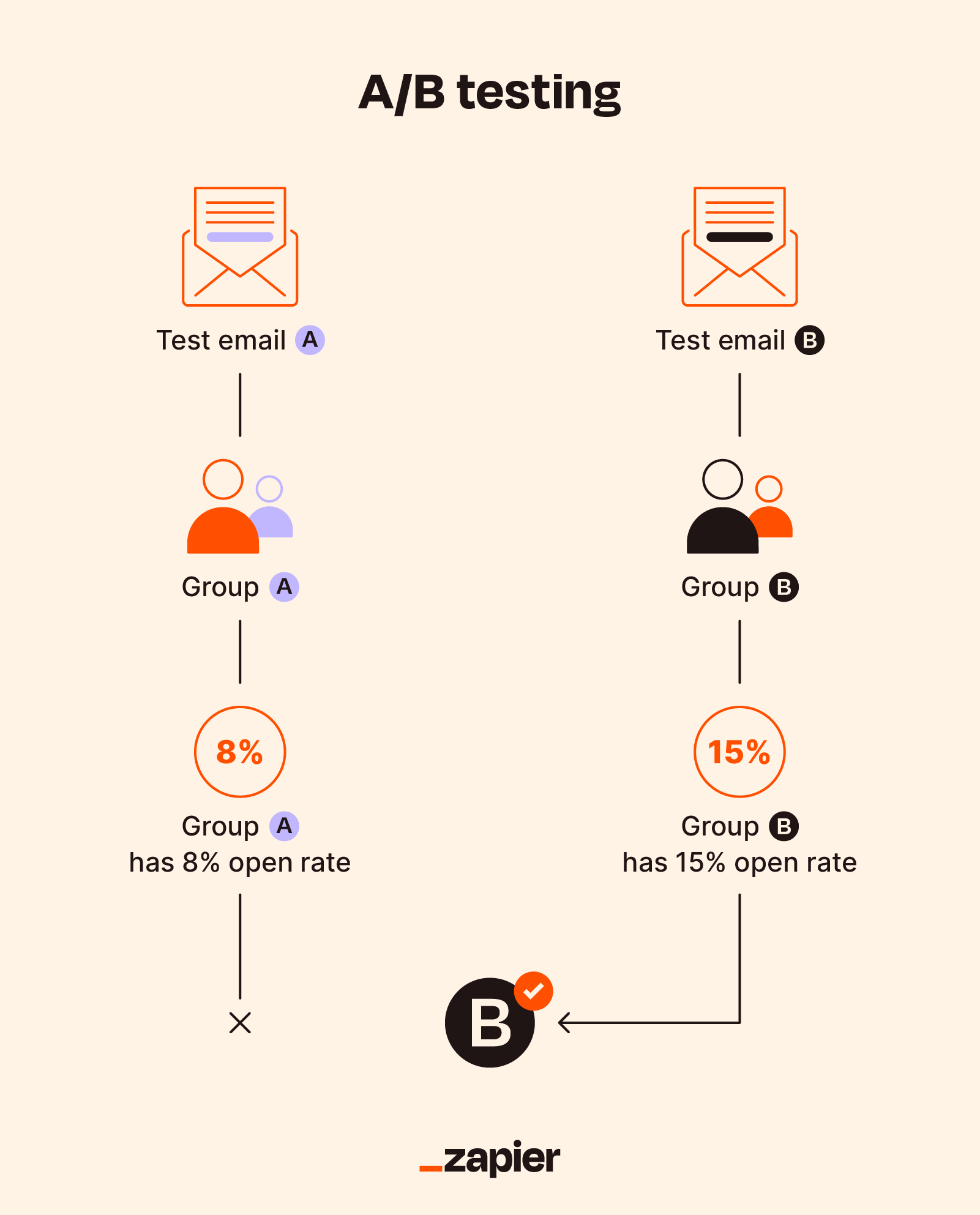
Email marketing is a way to reach your customers. It helps promote products or services. But how do you know if your emails are effective? This is where A/B testing comes in.
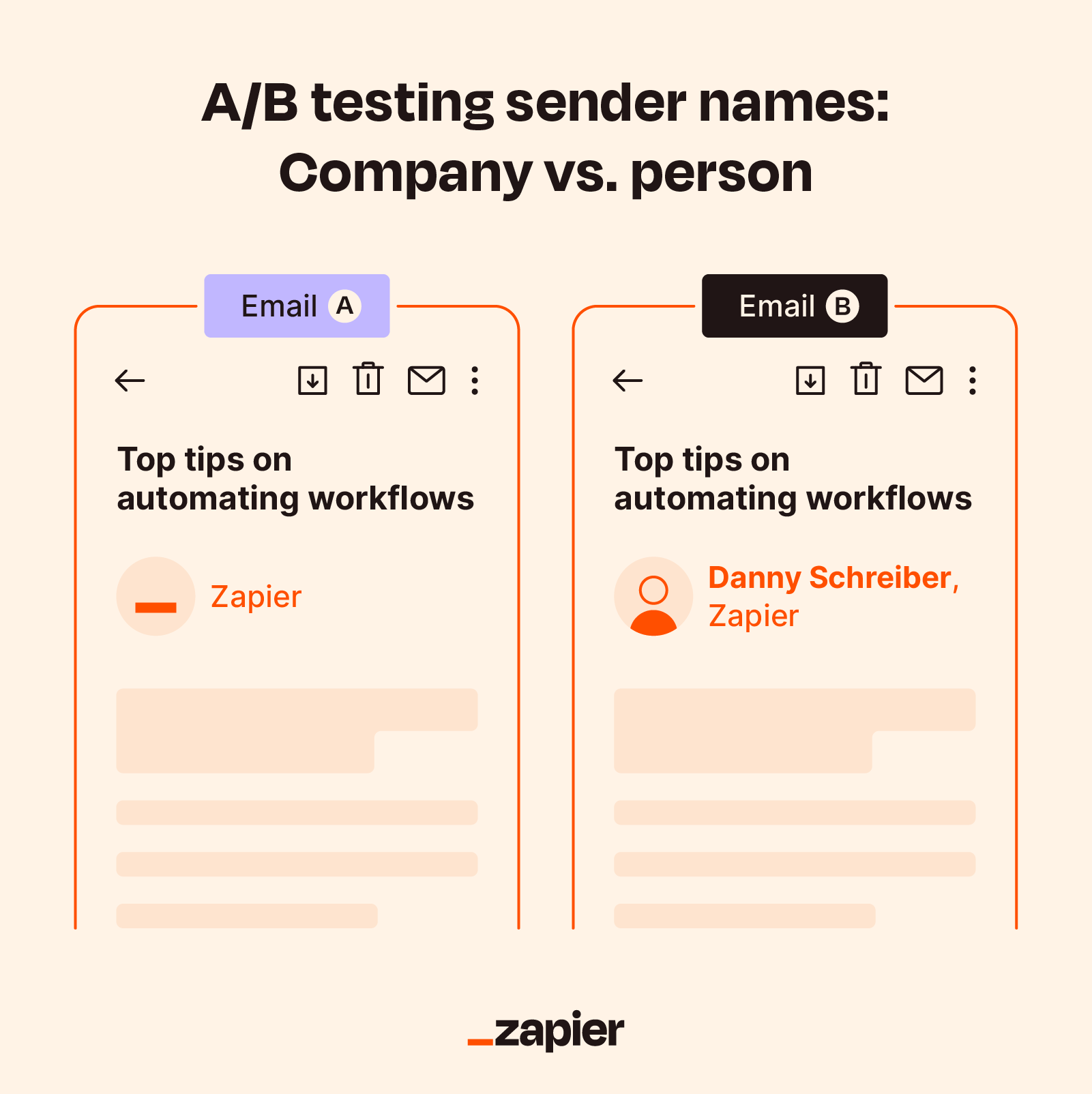
Credit: zapier.com
What Is A/B Testing?
A/B testing is a method to compare two versions of an email. You send one version to one group and another version to another group. This helps you see which version works better.
How Does A/b Testing Work?
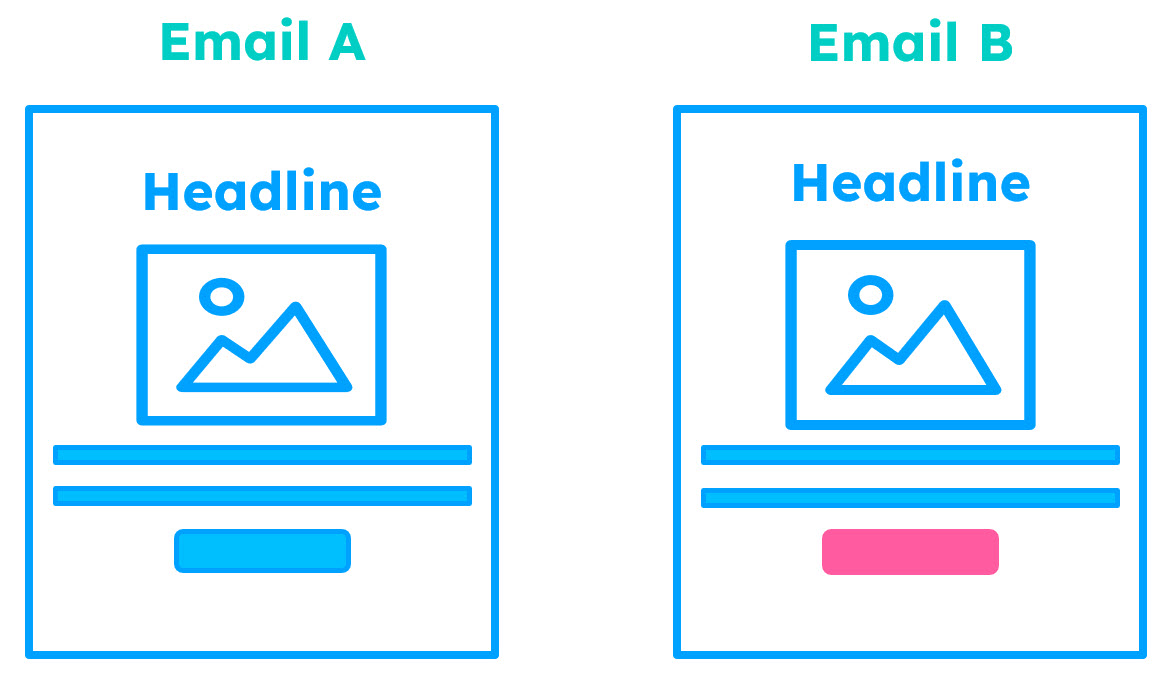
First, you create two versions of an email. These versions are called Version A and Version B. You change only one element in Version B. This element could be the subject line, the call to action, or the images.
Next, you send Version A to one group of people. Then you send Version B to another group of people. You measure the results to see which version performs better.
Why Is A/B Testing Important?
A/B testing is important because it helps improve your emails. It helps you understand what your audience likes. This can lead to higher open rates and click-through rates.
Benefits Of A/b Testing
A/B testing has many benefits. Here are a few:
- Improves email performance
- Helps understand customer preferences
- Increases engagement
- Boosts conversion rates
- Saves time and resources
Common Elements To Test
You can test many different elements in your emails. Here are some common ones:
| Element | Description |
|---|---|
| Subject Line | The title of your email |
| Call to Action | The button or link you want people to click |
| Images | The pictures you include in your email |
| Content | The main message of your email |
| Sending Time | The time and day you send your email |
Steps to Conduct A/B Testing
Here are the steps to conduct A/B testing:
- Identify the element you want to test.
- Create two versions of your email.
- Split your audience into two groups.
- Send Version A to one group and Version B to another group.
- Measure the results.
- Analyze the data to see which version performed better.
- Use the winning version in your future emails.
Tips For Successful A/b Testing
To ensure your A/B testing is successful, follow these tips:
- Test one element at a time.
- Make sure your sample size is large enough.
- Run the test for a sufficient amount of time.
- Use clear and specific metrics to measure success.
- Keep track of your tests and results for future reference.
Credit: www.constantcontact.com
Real-Life Examples
Here are some real-life examples of how A/B testing improved email campaigns:
Example 1: Testing Subject Lines
A company wanted to improve their open rates. They tested two subject lines:
| Subject Line | Open Rate |
|---|---|
| Subject Line A: “Don’t Miss Out on Our Sale!” | 25% |
| Subject Line B: “Exclusive Offer Just for You!” | 35% |
Subject Line B had a higher open rate. The company used this subject line in future emails.
Example 2: Testing Call To Action
Another company wanted to increase click-through rates. They tested two calls to action:
| Call to Action | Click-Through Rate |
|---|---|
| Call to Action A: “Shop Now” | 15% |
| Call to Action B: “Get Your Discount” | 20% |
Call to Action B had a higher click-through rate. The company used this call to action in future emails.
Frequently Asked Questions
What Is A/b Testing In Email Marketing?
A/B testing compares two email versions to see which performs better.
Why Is A/b Testing Important?
It helps improve email performance by identifying what works best.
How Do You Conduct A/b Testing In Emails?
Create two versions, send them to different groups, and measure results.
What Elements Can Be Tested In An Email?
You can test subject lines, content, images, and call-to-action buttons.
Conclusion
A/B testing is a powerful tool in email marketing. It helps you understand what works and what doesn’t. By testing different elements, you can improve your emails. This leads to higher open rates, click-through rates, and conversions.
Start A/B testing your emails today. See the difference it can make in your email marketing campaigns.