Choosing the right business entity is crucial for any entrepreneur. It affects taxes, liability, and overall business operations.
Understanding the differences between business entities can guide you in making an informed decision. Whether you are starting a new venture or restructuring an existing one, comparing business entities helps in evaluating the best fit for your goals and legal requirements.
In this blog post, we will explore the various types of business entities, providing a clear comparison to assist you in determining which structure suits your needs best. Stay tuned to learn more about the advantages and disadvantages of each business entity, helping you to make a well-informed choice.

Credit: farmoffice.osu.edu
Introduction To Business Entity Structures
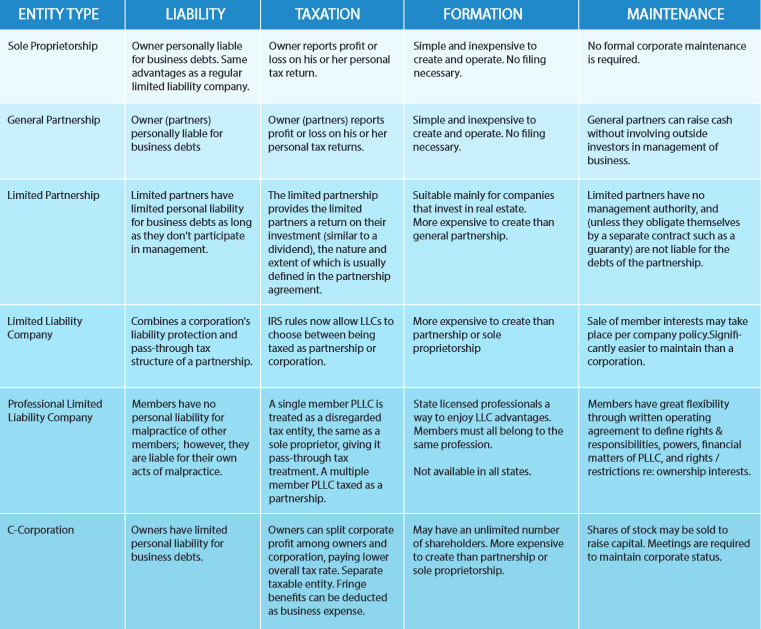
Choosing the right business entity is crucial. It impacts taxes, liability, and operations. Understanding different entities helps make an informed decision. This choice can affect the future of your business. It is essential to know the benefits and limitations of each type.
| Entity Type | Features | Advantages | Disadvantages |
|---|---|---|---|
| Sole Proprietorship | Single owner, simple setup | Easy to start, full control | Unlimited liability, harder to raise funds |
| Partnership | Two or more owners | Shared resources, simple setup | Joint liability, potential conflicts |
| Limited Liability Company (LLC) | Combines aspects of corporations and partnerships | Limited liability, flexible management | More paperwork, potential self-employment taxes |
| Corporation | Separate legal entity | Limited liability, easier to raise capital | Complex setup, double taxation |
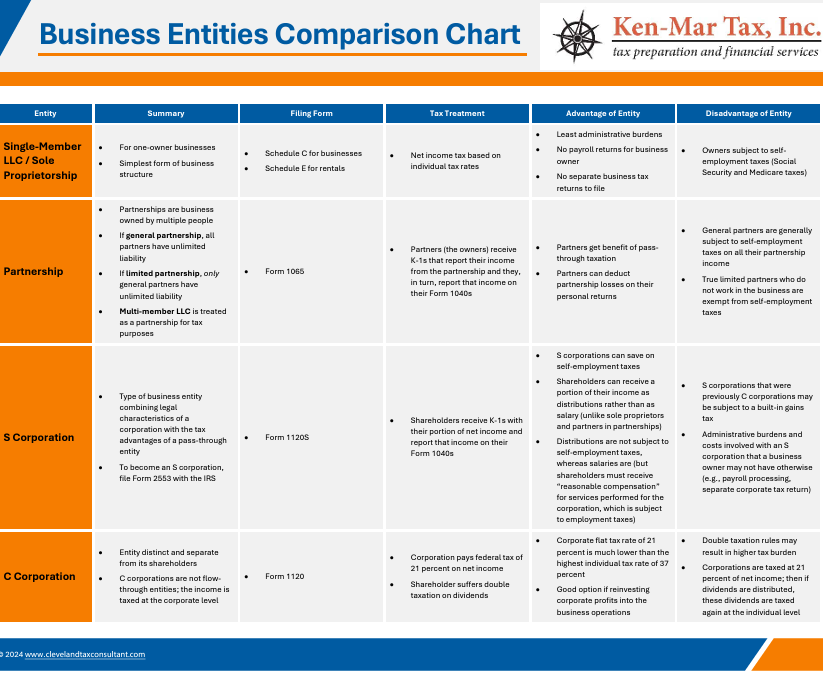
Credit: clevelandtaxconsultant.com
Key Features Of Sole Proprietorship
A sole proprietorship is simple to start. Few legal steps are needed. One person controls everything. This person makes all decisions. This makes management easy and quick. Costs are low. No complex paperwork is required. It’s ideal for small businesses.
The owner is fully responsible for debts. Personal assets are at risk. This means if the business fails, the owner could lose personal property. There is no separation between business and personal assets. This is the biggest risk.
Taxes are straightforward. The business income is the owner’s income. Only personal income tax is paid. No separate business tax forms are needed. This simplifies tax filing. Financial records are easier to keep. Costs are lower for accounting services.
Advantages And Disadvantages Of Partnerships
Partnerships allow for shared decision-making. Two heads are better than one. Partners bring different skills. This can lead to better decisions. Sharing ideas can also boost creativity. There is always someone to consult with.
Partners share both profits and losses. This means shared liability. If the business fails, all partners are responsible. Risk is not borne by just one person. This can reduce individual stress. But it also means shared debt.
Partnerships often enjoy certain tax benefits. Profits are usually only taxed once. This avoids double taxation. Partners pay taxes on their share of income. However, they must also handle tax obligations. This can include self-employment taxes. Proper record-keeping is very important.
Exploring The Corporation Structure
Corporations offer strong limited liability protection. This means owners are not personally responsible for the company’s debts. They can only lose the money they invested. Personal assets stay safe. This feature attracts many business owners.
Corporations face complex regulations. They must follow strict rules. These include filing annual reports and holding meetings. They need a board of directors. This adds to the administrative burden. Small businesses may find this challenging.
Corporations are taxed as separate entities. They pay taxes on profits. Shareholders also pay taxes on dividends. This is called double taxation. Some businesses may prefer other structures to avoid this. S Corporations can help reduce this burden.
Choosing The Best Structure For Your Business
Understanding your business needs and goals is crucial. Different structures offer different benefits. Some provide liability protection, while others offer tax advantages. Choosing the right one depends on your long-term vision and current resources. Think about control and flexibility. Do you need a simple structure or a complex one?
Legal and financial advisors can offer invaluable insights. They help you understand regulatory requirements and tax implications. These professionals can guide you through complex decisions. Their advice ensures you avoid costly mistakes and comply with laws. Consultation can save you time and money in the long run.
Small businesses often choose sole proprietorship for simplicity. Larger companies might opt for corporations due to liability protection. Real estate ventures often use LLCs for flexibility. Each business has unique needs, and different structures can help meet those needs.

Credit: uwcc.wisc.edu
Frequently Asked Questions
What Are The 4 Types Of Business Entities?
The four types of business entities are Sole Proprietorship, Partnership, Corporation, and Limited Liability Company (LLC). Each has unique legal and tax implications.
Should My Llc Be An S Or C Corp?
Choose S Corp for tax savings and simpler structure. Opt for C Corp for unlimited growth potential and easier fundraising.
Which Business Entity Is The Best?
The best business entity depends on your specific needs. Consider factors like liability, taxation, and management structure. Consult a legal expert for personalized advice.
Which Is Better, An Llc Or A Corporation?
Choosing between an LLC and a corporation depends on your business needs. LLCs offer flexibility and simpler management. Corporations provide easier access to investors and potential tax benefits. Evaluate your goals to decide.
Conclusion
Choosing the right business entity is vital. Consider your goals and needs. Each entity has unique advantages and limitations. Evaluate tax implications, liability, and management structure. Consult with legal and financial advisors. Make an informed decision to support your business growth.
A well-chosen entity sets a solid foundation for success. For more information on forming a quality company, visit Quality Company Formations. Make the best choice for your business today.