Content marketing is essential for business growth. It attracts and engages audiences effectively.
Creating a solid content marketing strategy is crucial for success. But where do you start? With so many tactics available, it can be overwhelming. Understanding the best frameworks can simplify this process. These frameworks help in planning, creating, and distributing content efficiently.
They provide a clear path to follow, ensuring consistency and effectiveness. Whether you are new to content marketing or need to refine your approach, knowing these strategies will guide you. In this blog post, we will explore ten essential content marketing strategy frameworks. These will help you create a robust plan, drive more engagement, and achieve your business goals. Ready to dive in? Let’s get started!
Introduction To Content Marketing
Content marketing is the art of creating and sharing valuable content to attract and engage an audience. It’s not just about selling products or services; it’s about providing useful information that helps your audience solve their problems. Think of it as storytelling with a purpose. Now, why should you care about content marketing? Let’s dive into its importance and the key elements that make it work.
Importance Of Content Marketing
Why is content marketing so crucial? Here are a few reasons:
- Builds Trust: Providing valuable content helps you build a relationship with your audience. They start to see you as an expert in your field.
- Improves SEO: Search engines love fresh, relevant content. Regularly updating your blog or website can boost your rankings.
- Generates Leads: Quality content can attract potential customers. When they see the value you offer, they’re more likely to reach out to you.
- Enhances Brand Awareness: Sharing your expertise helps you get noticed. The more people see your content, the more they recognize your brand.
Key Elements Of Content Marketing
Effective content marketing is like a good recipe. You need the right ingredients in the right amounts. Here are the key elements:
- Target Audience: Know who you’re talking to. Understand their needs, preferences, and pain points.
- Content Goals: Define what you want to achieve with your content. Is it to educate, entertain, or persuade?
- Content Plan: Outline what types of content you’ll create and how often you’ll publish. A consistent schedule keeps your audience engaged.
- Quality Content: Focus on creating high-quality, informative, and engaging content. Remember, it’s better to have fewer well-crafted pieces than lots of mediocre ones.
- Distribution Channels: Decide where you’ll share your content. Will it be on your blog, social media, email newsletters, or all of the above?
- Engagement: Encourage interaction with your audience. Respond to comments, ask questions, and create a community around your content.
- Analytics: Track your performance. Use tools like Google Analytics to see what’s working and what’s not. Adjust your strategy accordingly.
Content marketing might seem overwhelming at first, but with the right strategy, it can be incredibly rewarding. So, are you ready to tell your story and connect with your audience?
Identifying Your Audience
Identifying your audience is the cornerstone of any successful content marketing strategy. Knowing who your audience is helps you create content that resonates. This step ensures your efforts are targeted and effective. Let’s delve into the key aspects of identifying your audience.
Creating Buyer Personas
Creating buyer personas is essential for understanding your audience. Buyer personas are fictional characters that represent your ideal customers. They include details like age, gender, job, and interests.
Start by gathering data from your existing customers. Use surveys, interviews, and web analytics to get insights. Segment your audience into different personas. This helps in crafting personalized content that meets their needs.
Understanding Audience Needs
Understanding audience needs is crucial for content relevance. Know what problems your audience faces. Identify the questions they frequently ask. Use tools like Google Trends and social media analytics.
Pay attention to comments and feedback on your content. This provides valuable insights into their needs. Address these needs with informative, engaging content. This builds trust and keeps your audience coming back for more.
Setting Clear Goals
Setting clear goals is crucial for a successful content marketing strategy. Without clear goals, your efforts may lack direction. Goals help measure progress. They ensure your team stays focused.
Defining Objectives
First, define your objectives. What do you want to achieve? Increase brand awareness? Drive more traffic to your website? Boost sales? Your objectives should be specific, measurable, attainable, relevant, and time-bound (SMART).
Write down your objectives. Make sure everyone in your team understands them. Clear objectives guide your content creation. They help align your efforts with your business goals.
Measuring Success
Once you have defined your objectives, you need to measure success. Use key performance indicators (KPIs) to track your progress. KPIs could include website traffic, engagement rates, conversion rates, and more.
Regularly review your KPIs. Adjust your strategy if needed. Measuring success helps you understand what works. It also shows where you need to improve.
Credit: contentmarketinginstitute.com
Content Creation
Creating content can seem overwhelming, especially if English isn’t your first language. But don’t worry, you’re not alone! In this section, we’ll break down the essentials of content creation into simple, manageable steps. We’ll explore the different types of content you can create and how to organize them effectively using a content calendar. Let’s dive in!
Types Of Content
Content comes in many shapes and sizes. Here are some of the most common types:
- Blog Posts: These are articles on your website. They can be informative, educational, or entertaining.
- Videos: These are great for demonstrating products, sharing tutorials, or telling stories. Videos are engaging and can be shared on social media.
- Infographics: These are visual representations of information or data. They are easy to understand and share.
- Podcasts: These audio files can be downloaded and listened to on the go. They are perfect for interviews, discussions, and storytelling.
- Social Media Posts: Short, engaging posts on platforms like Facebook, Twitter, and Instagram can help you connect with your audience.
Choosing the right type of content depends on your audience and your goals. What do they prefer? What are you trying to achieve? Keep these questions in mind as you plan your content.
Content Calendar
A content calendar is a tool that helps you plan and organize your content. It ensures you post regularly and stay on track with your content strategy. Here’s how to create a simple content calendar:
- Identify Key Dates: Note important dates like holidays, product launches, and events.
- Plan Content Themes: Decide on themes or topics for each month or week.
- Schedule Posts: Plan when and where you will publish each piece of content. Use a spreadsheet or a tool like Google Calendar.
- Track Progress: Keep track of what’s been published and what’s coming up. Adjust your plan as needed.
Here’s a simple example of a monthly content calendar:
| Week | Content Type | Topic | Platform |
|---|---|---|---|
| Week 1 | Blog Post | How to Use Our Product | Website |
| Week 2 | Video | Customer Testimonial | YouTube |
| Week 3 | Infographic | Industry Trends | |
| Week 4 | Social Media Post | Behind the Scenes |
Creating a content calendar helps you stay organized and consistent. Plus, it gives you a clear view of your upcoming content, making it easier to manage and adjust as needed.
Remember, content creation is a journey. It’s okay to start small and grow over time. Keep experimenting with different types of content and find what works best for you and your audience. Happy creating!
Seo Optimization
SEO Optimization is crucial for your content marketing strategy. It ensures your content is visible to search engines and audiences. This process involves several key steps, such as keyword research and on-page SEO techniques.
Keyword Research
Keyword research helps you understand what your audience is searching for. Start by identifying relevant keywords for your niche. Use tools like Google Keyword Planner or SEMrush. These tools provide insights into search volume and competition. Focus on long-tail keywords. They are more specific and less competitive. Incorporate these keywords naturally into your content. Avoid keyword stuffing. It can harm your ranking.
On-page Seo Techniques
On-page SEO techniques optimize individual pages on your website. Start with your title tags. Ensure they include your primary keyword. Keep them under 60 characters. Next, focus on meta descriptions. They should be compelling and under 160 characters. Include your primary keyword here too. Use header tags like H1, H2, and H3. They structure your content and make it easy to read.
Optimize your images as well. Use descriptive file names and alt text. This helps search engines understand your images. Internal linking is another key aspect. Link to other relevant pages on your site. It improves user experience and reduces bounce rate.
Lastly, ensure your website is mobile-friendly. Many users browse on mobile devices. A mobile-friendly site enhances user experience. It also boosts your ranking on search engines.
Credit: www.smartinsights.com
Social Media Integration
Social media integration is a crucial component of any robust content marketing strategy. In a world where over half of the global population is active on social media, integrating these platforms into your marketing efforts is not just smart, it’s essential. But how do you go about it effectively? Let’s break it down into two main areas: choosing the right platforms and developing engagement strategies.
Choosing Platforms
Not all social media platforms are created equal, and the best ones for your business depend on your target audience. To make the right choice, ask yourself: where do my potential customers hang out online? For example, if you’re a fashion brand, Instagram might be your go-to. If you are in the B2B sector, LinkedIn could be more effective.
Here’s a quick guide to help you choose:
| Platform | Best For |
|---|---|
| Wide demographic, community building | |
| Visual content, younger audience | |
| Professional networking, B2B | |
| Real-time updates, customer service | |
| DIY, crafts, visual content |
Engagement Strategies
Once you’ve chosen the right platforms, the next step is to engage effectively. Social media is a two-way street; it’s not just about broadcasting your message, but also about listening and interacting.
Here are some strategies to boost engagement:
- Post Regularly: Consistency is key. Create a content calendar and stick to it.
- Use Visuals: Images and videos are more engaging than text alone. They catch the eye and are more likely to be shared.
- Interact: Respond to comments, ask questions, and create polls to engage your audience.
- Leverage Hashtags: Use relevant hashtags to increase the visibility of your posts.
- Analyze and Adjust: Use analytics tools to track your performance and adjust your strategy accordingly.
Remember, social media is about building relationships. Share valuable content, be authentic, and your audience will respond positively.
In conclusion, integrating social media into your content marketing strategy can significantly amplify your reach and engagement. By choosing the right platforms and employing effective engagement strategies, you can build a loyal following and drive more traffic to your business. Ready to get started?
Email Marketing
Email marketing remains a powerful tool in your content marketing strategy. It allows direct communication with your audience, driving engagement and conversions. Creating an effective email marketing strategy involves several key components.
Building An Email List
Start by building a strong email list. Offer valuable content that encourages visitors to subscribe. Use lead magnets like eBooks, checklists, or exclusive offers. Place sign-up forms on your website, blog, and social media channels. Ensure the process is quick and easy.
Segment your email list based on interests and behavior. This helps you send relevant content to the right people. A segmented list increases open rates and engagement. Regularly clean your list to remove inactive subscribers. This keeps your email list healthy and engaged.
Crafting Effective Emails
Crafting effective emails is crucial. Start with a compelling subject line. This is the first thing your subscribers see. Keep it short and intriguing. A good subject line increases open rates.
Use a personalized greeting. Address your subscriber by name. This creates a connection. Keep your email content clear and concise. Use simple language. Break up text with bullet points or short paragraphs. This makes your email easy to read.
Include a clear call to action (CTA). Tell your readers what to do next. Use action-oriented words. Make sure your CTA stands out. Test different elements of your emails. Subject lines, content, and CTAs can all affect performance. Use A/B testing to see what works best.
Influencer Partnerships
Influencer partnerships can elevate your content marketing strategy. They can help you reach a wider audience. Influencers have loyal followers who trust their opinions. This trust can transfer to your brand, making it more credible. By partnering with influencers, you can create authentic content. This content will resonate more with your target audience.
Finding Influencers
Start by identifying your target audience. Look for influencers who have followers that match your audience. Use social media platforms to find potential influencers. Check their engagement rates and the quality of their content. Tools like BuzzSumo or HypeAuditor can help you find influencers. Look for influencers who align with your brand values.
Collaborating Effectively
Once you find the right influencers, reach out to them. Be clear about your goals and expectations. Provide them with creative freedom. This allows them to create content that feels genuine. Set clear terms for the partnership. Discuss deadlines, deliverables, and compensation upfront. Maintain open communication throughout the collaboration. This ensures a smooth and successful partnership.
Analyzing Performance
When it comes to content marketing, knowing how your efforts are performing is crucial. Analyzing performance helps you understand what’s working and what’s not, enabling you to refine your strategy for better results. In this section, we will explore the tools and techniques necessary for effective performance analysis.
Analytics Tools
There are numerous analytics tools available to help you gauge the effectiveness of your content marketing strategy. Some of the most popular ones include:
- Google Analytics: This is a free tool that provides detailed insights into your website traffic and user behavior.
- SEMrush: Known for its comprehensive SEO features, SEMrush also offers content analysis tools that help you track performance.
- Ahrefs: Another powerful tool, Ahrefs excels in backlink analysis but also offers content performance insights.
- Hotjar: This tool provides heatmaps and session recordings, allowing you to see how users interact with your content.
These tools can be a game-changer. They provide a wealth of data that can inform your future content marketing decisions.
Interpreting Data
Once you have the data, the next step is to interpret it. This is where many marketers stumble. Here are some tips to make sense of the numbers:
- Understand Key Metrics: Focus on metrics that matter. These might include page views, bounce rate, average session duration, and conversion rate. Each of these tells a different part of the story.
- Identify Trends: Look for patterns over time. Are there certain types of content that consistently perform well? Or perhaps times of the year when engagement spikes?
- Segment Your Audience: Break down your data by different audience segments. This could be by demographics, behavior, or source of traffic. Understanding how different groups interact with your content can provide valuable insights.
- Set Benchmarks: Compare your performance against industry standards or your own past performance. This helps you gauge whether you’re on the right track.
Interpreting data can feel like solving a puzzle. But with patience and practice, you’ll start to see the bigger picture.
Remember, data is just a tool. It’s how you use it that makes the difference. So, dive in, explore, and let the insights guide your content marketing strategy to new heights!
Adapting Strategies
Adapting strategies is crucial for a successful content marketing framework. The digital landscape changes fast. Businesses need to stay flexible. Adapting helps meet evolving audience needs and keeps content relevant.
Responding To Trends
Trends influence audience behavior. Adapting strategies to align with trends keeps content fresh. Use tools like Google Trends to stay updated. Monitor industry news and social media for emerging topics. Create content that matches current interests. This approach attracts more engagement and improves visibility.
Continuous Improvement
Content strategies need ongoing refinement. Regularly review performance metrics. Identify what works well and what needs change. Use feedback from your audience. Make data-driven adjustments to improve results. Testing different formats and channels helps find the best approach. Always aim to enhance the user experience.
Credit: www.mastroke.com
Frequently Asked Questions
What Are The 5 P’s Of Content Marketing?
The 5 P’s of content marketing are Plan, Produce, Publish, Promote, and Perfect. Plan your strategy. Produce valuable content. Publish consistently. Promote your content. Perfect through analysis and optimization.
What Are The 7 Steps In Creating A Content Strategy?
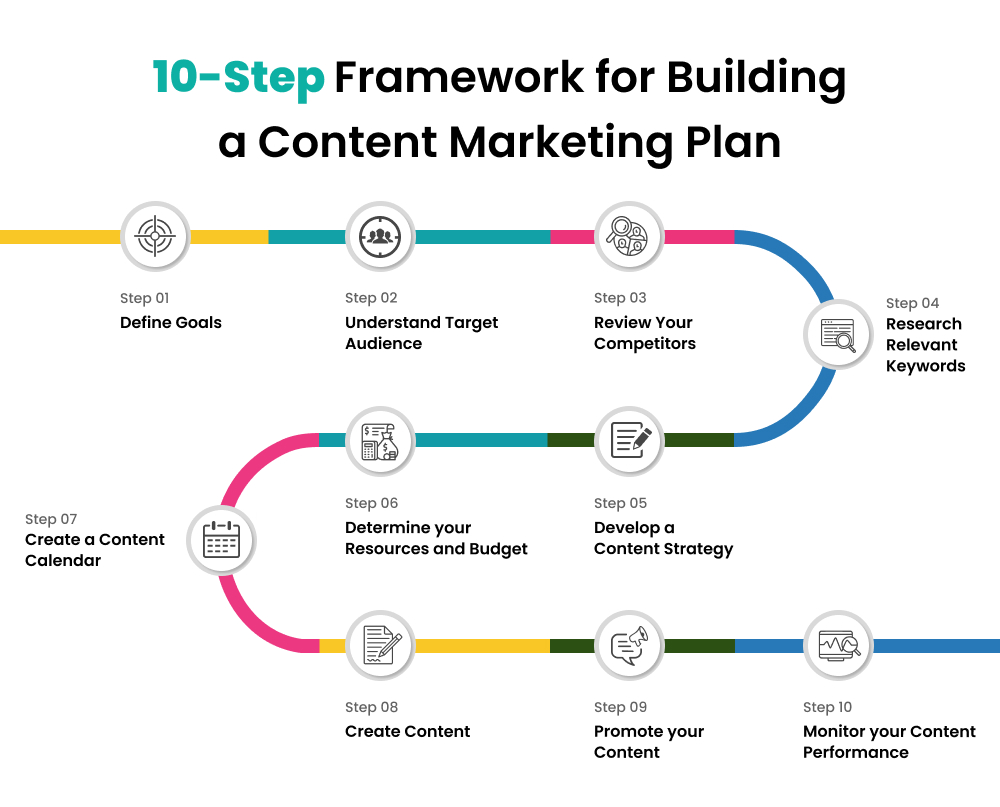
1. Define your goals. 2. Research your audience. 3. Conduct a content audit. 4. Choose a content management system. 5. Brainstorm content ideas. 6. Create and distribute content. 7. Measure and analyze results.
What Are The 4 C’s Of Content Marketing?
The 4 C’s of content marketing are: Create, Curate, Connect, and Convert. Create original content, curate relevant information, connect with your audience, and convert them into customers.
What Are The 4ps Of Content Strategy?
The 4Ps of content strategy are Plan, Produce, Promote, and Perfect. Plan involves research and setting goals. Produce focuses on creating high-quality content. Promote means distributing content effectively. Perfect involves analyzing and refining content for better performance.
What Is A Content Marketing Strategy Framework?
A content marketing strategy framework is a plan for creating, sharing, and managing content.
Why Is A Content Marketing Strategy Important?
It helps attract and engage your target audience. It also boosts brand awareness and drives sales.
How Do You Create A Content Marketing Strategy?
Identify your goals, audience, and key messages. Create and share content based on these.
Conclusion
Creating a solid content marketing strategy is crucial for success. These ten frameworks offer various approaches. Each one can help you reach your audience effectively. Evaluate your goals and choose the best fit for your needs. Remember to stay consistent and adapt as necessary.
Keep your audience engaged with relevant and valuable content. Experiment with different methods to see what works best. Track your progress and refine your strategy over time. With dedication and the right approach, your content marketing efforts will yield great results.